 Find a Distributor
 Newsletter


Exhaust Primer
Exhaust Primer – Air Operated Primers
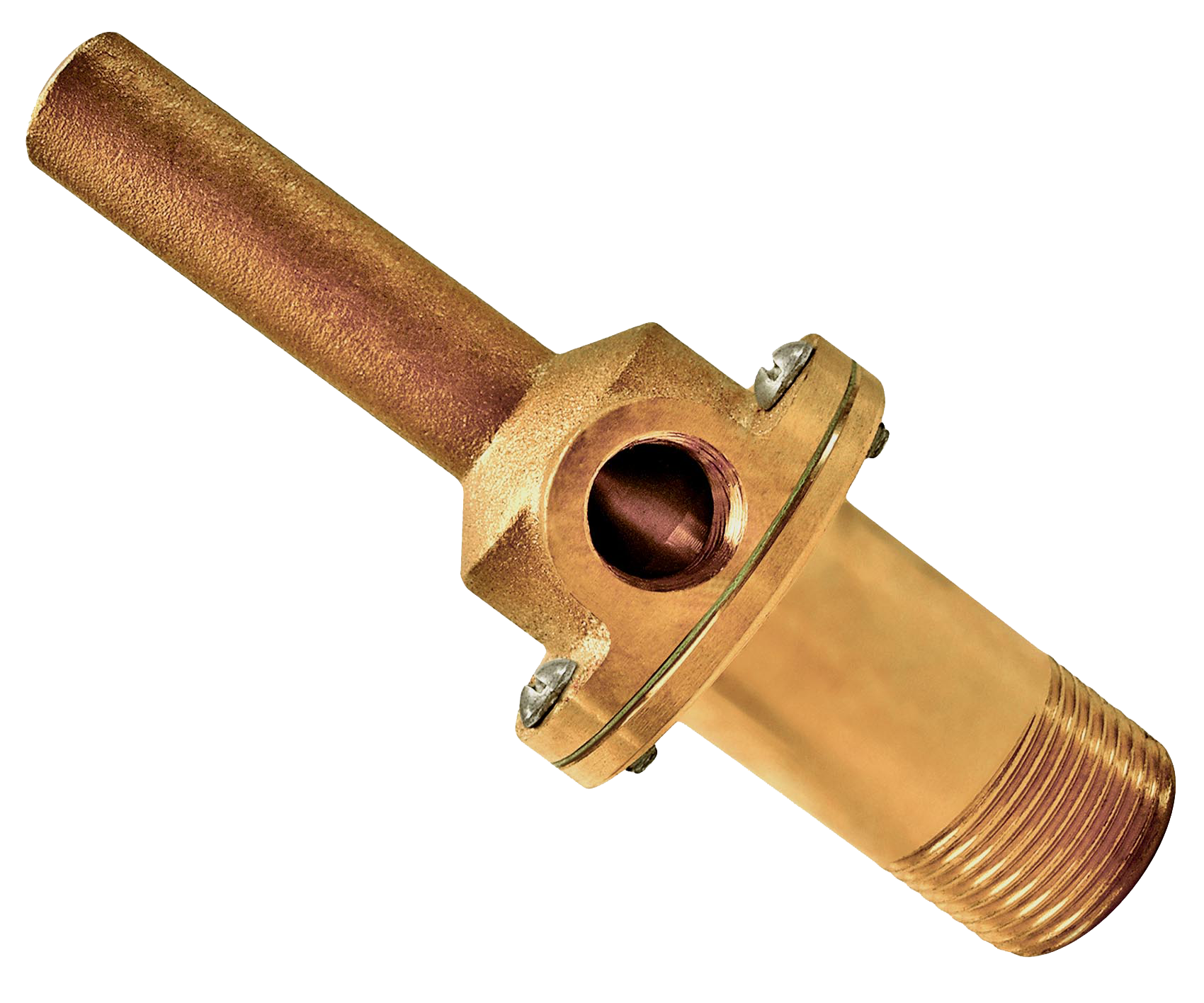
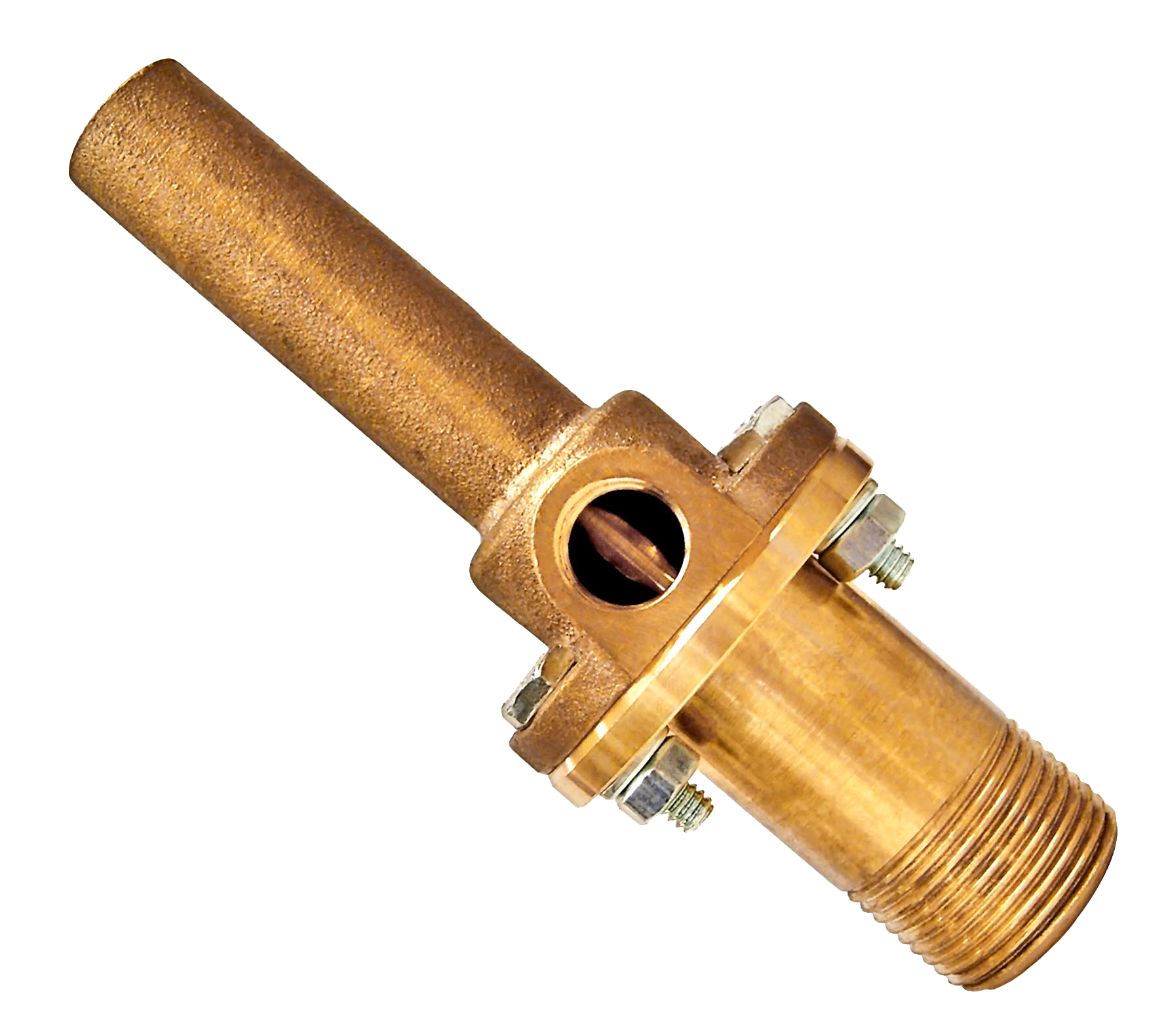
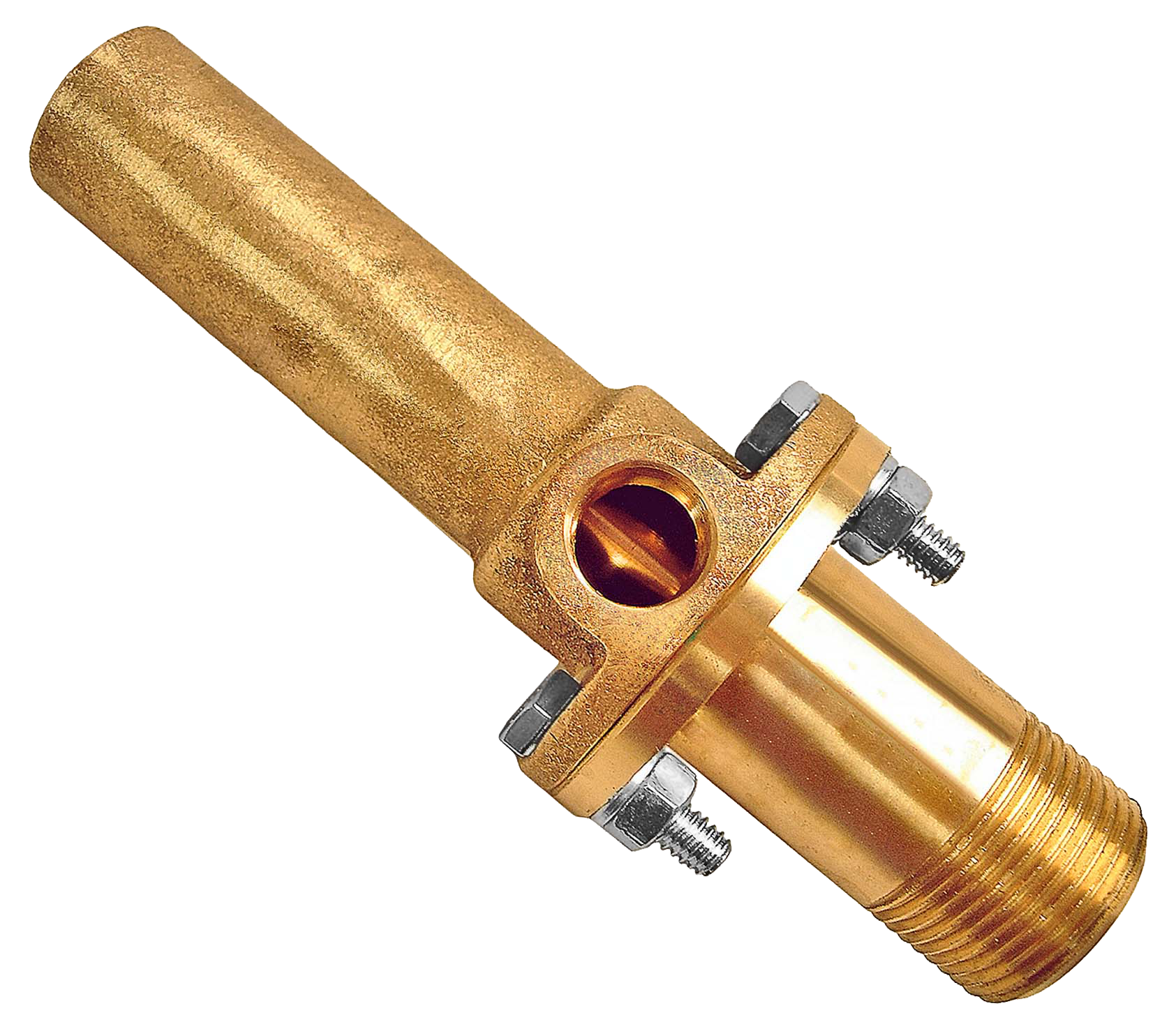
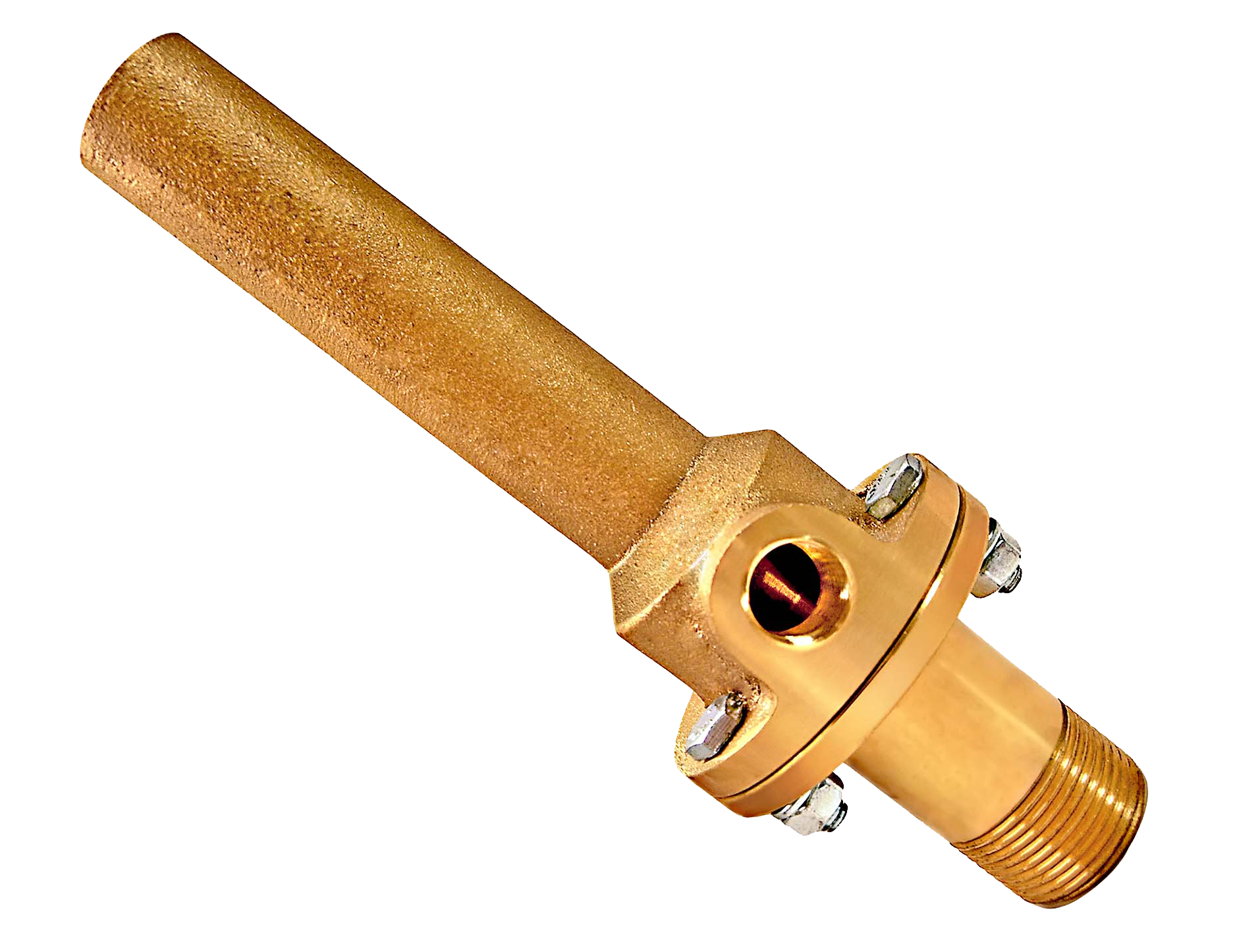
Exhaust Primers (EP) are air operated primers comprised of an Ejector and cast iron Adapter that has a cap and handle attached. Unit operates on low engine exhaust pressure or air pressure from other sources. When the exhaust valve (adapter cap) is closed, gases are directed through ejector, and water is drawn to pump by ejector vacuum.
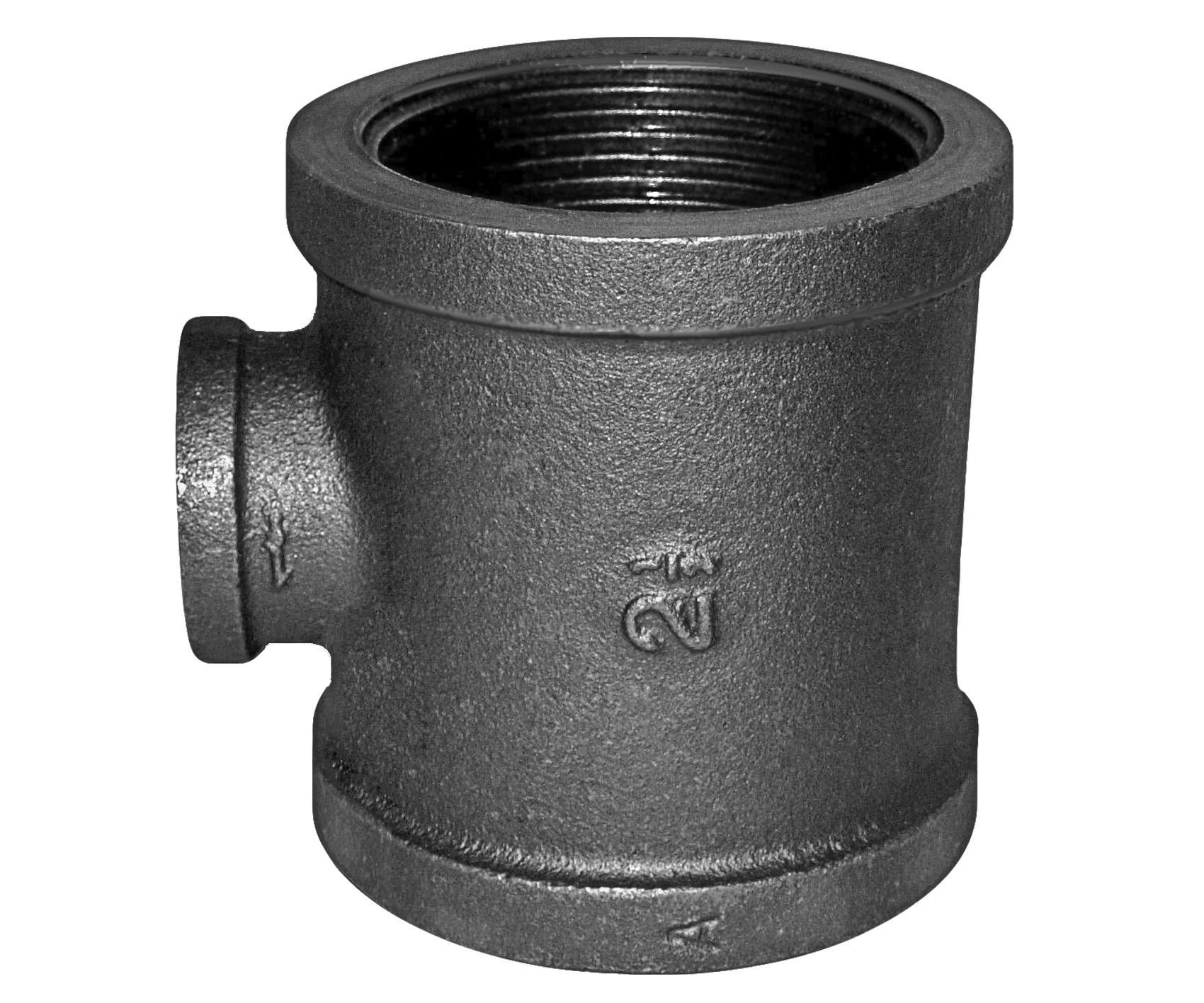
- *Note: When ordering an EP, ejector size is determined by engine displacement in cubic inches, and adapter size is determined by the outer diameter of the exhaust pipe and whether or not the pipe is threaded.
- Example: Engine displacement is 250 cubic inches, and the diameter of the exhaust pipe is 3 inches, therefore you need an EP250-300 3NPT.
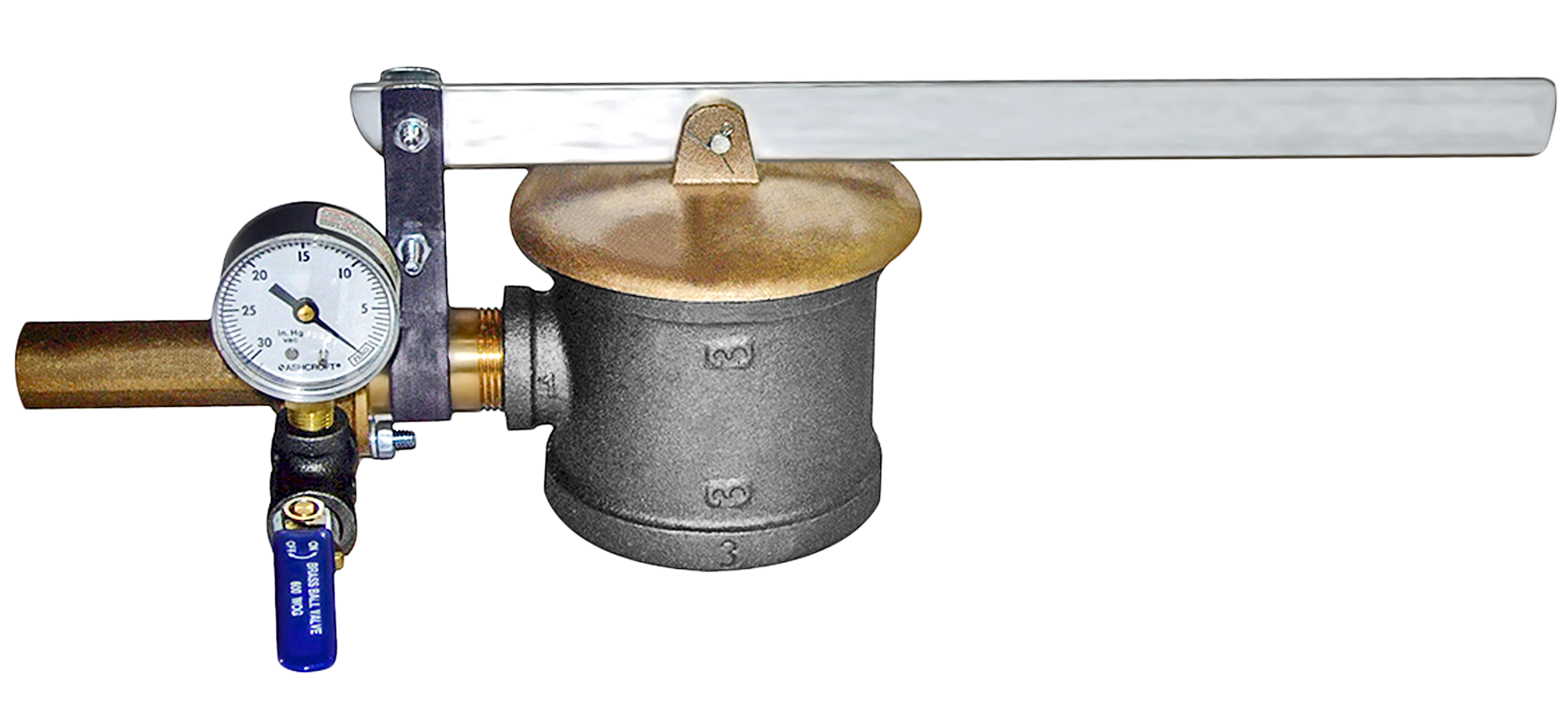
FEATURES

Simple design, no moving parts.
Cast iron adapters come in a variety of sizes, to be mounted on a plain or threaded exhaust ends.
Priming can be completed in 10 seconds to two minutes.
Suction lifts of 20 ft. may be obtained under typical conditions.
Units are designed to produce vacuum of 18 to 22 inches of mercury (Hg).
-
INSTALLATION & OPERATION OF PROTEK EXHAUST PRIMER
- Use adapter to attach ejector to engine exhaust stack.
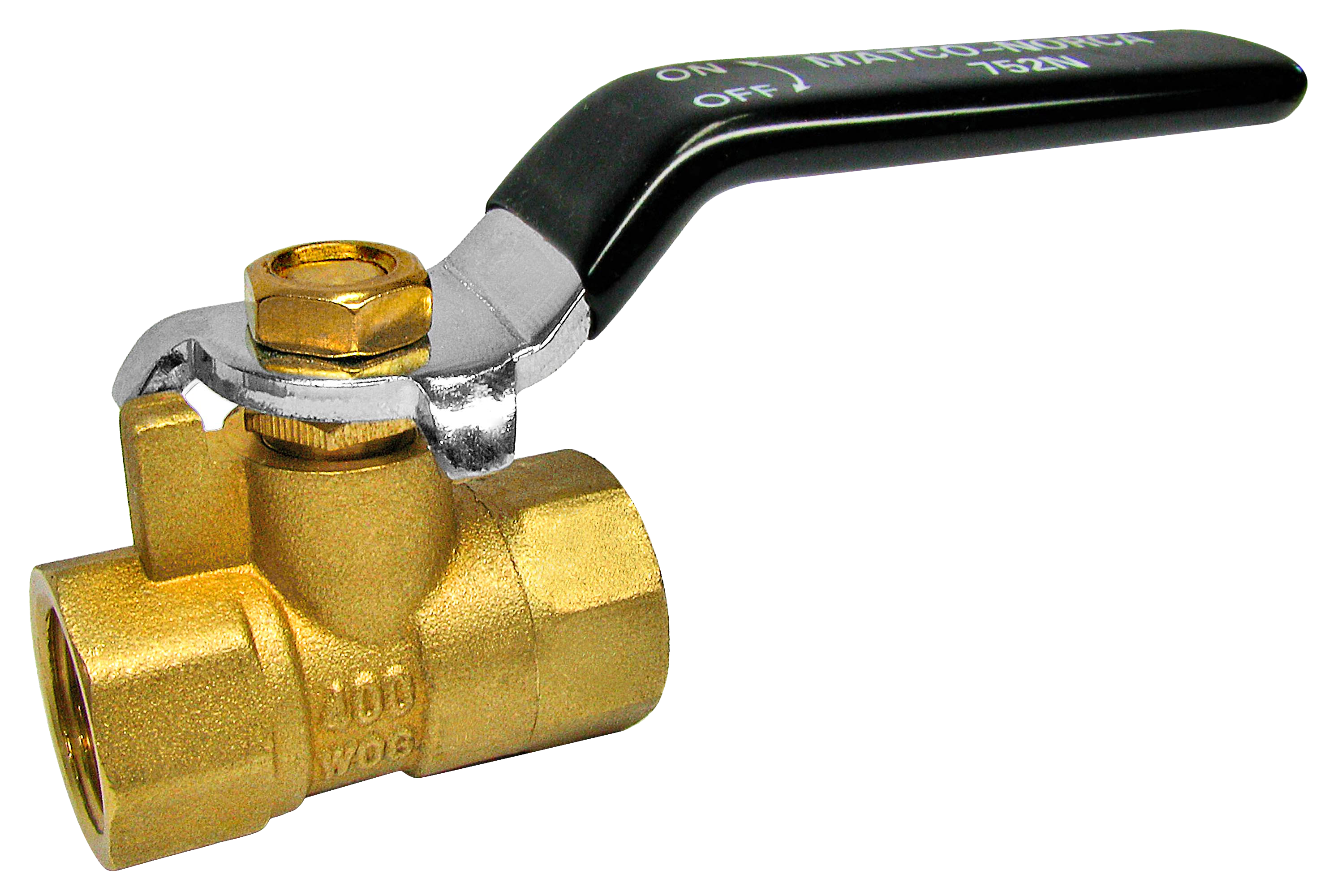
- Pump discharge must be closed while priming. This can be done by installing a discharge check valve or hand operated gate valve.
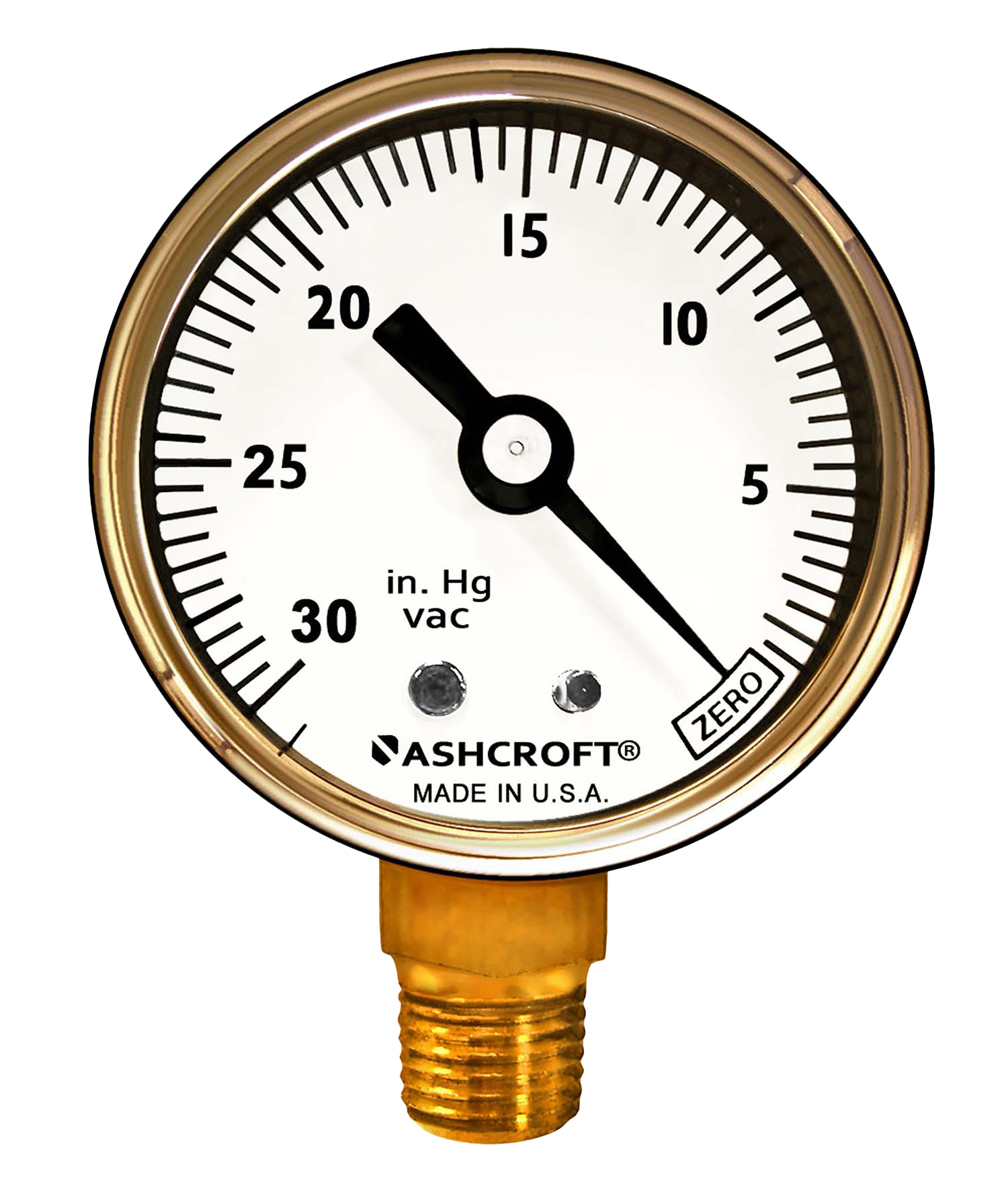
- Install vacuum gauge and priming valve on priming line, between the valve and ejector.
- Vacuum gauge should indicate priming rate of 18-22 Hg.
- PSIs should be between 12 and 15 or 1500-2300 RPMs.
- After priming is completed, lay handle and brass cap 180 degrees from priming position to allow exhaust to escape.
- Use adapter to attach ejector to engine exhaust stack.
-
MAINTENANCE
- Before every use, check the unit for accumulated build-up of dirt or soot from the engine exhaust.
- If vacuum gauge is not working, replace before using EP.
-
SAFETY & RECOMMENDATIONS
- EPs will not work effectively on single cylinder or two cycle (two strokes) engines.
- Installing a Tachometer on the engine is useful to determine RPM.
- Priming line air leaks may prevent priming.
- Protek does not recommend the use of EPs on turbo engines.
- Call Protek Technical Support for additional help.
-
Exhaust Primer – Parts
PARTS PART# DESCRIPTION Adapter 
E0000 1” NPT / 1 ½” PE Adapter E0001 1 ¼” NPT / 1 ¾” PE Adapter E0002 1 ½” NPT / 2” PE Adapter E0003 2” NPT / 2 ½” PE Adapter E0004 2 ½” NPT / 3” PE Adapter E0005 3” NPT / 3 ½” PE / 4” PE Adapter E0007 4” NPT / 4 ½” PE Adapter Exhaust Valve 
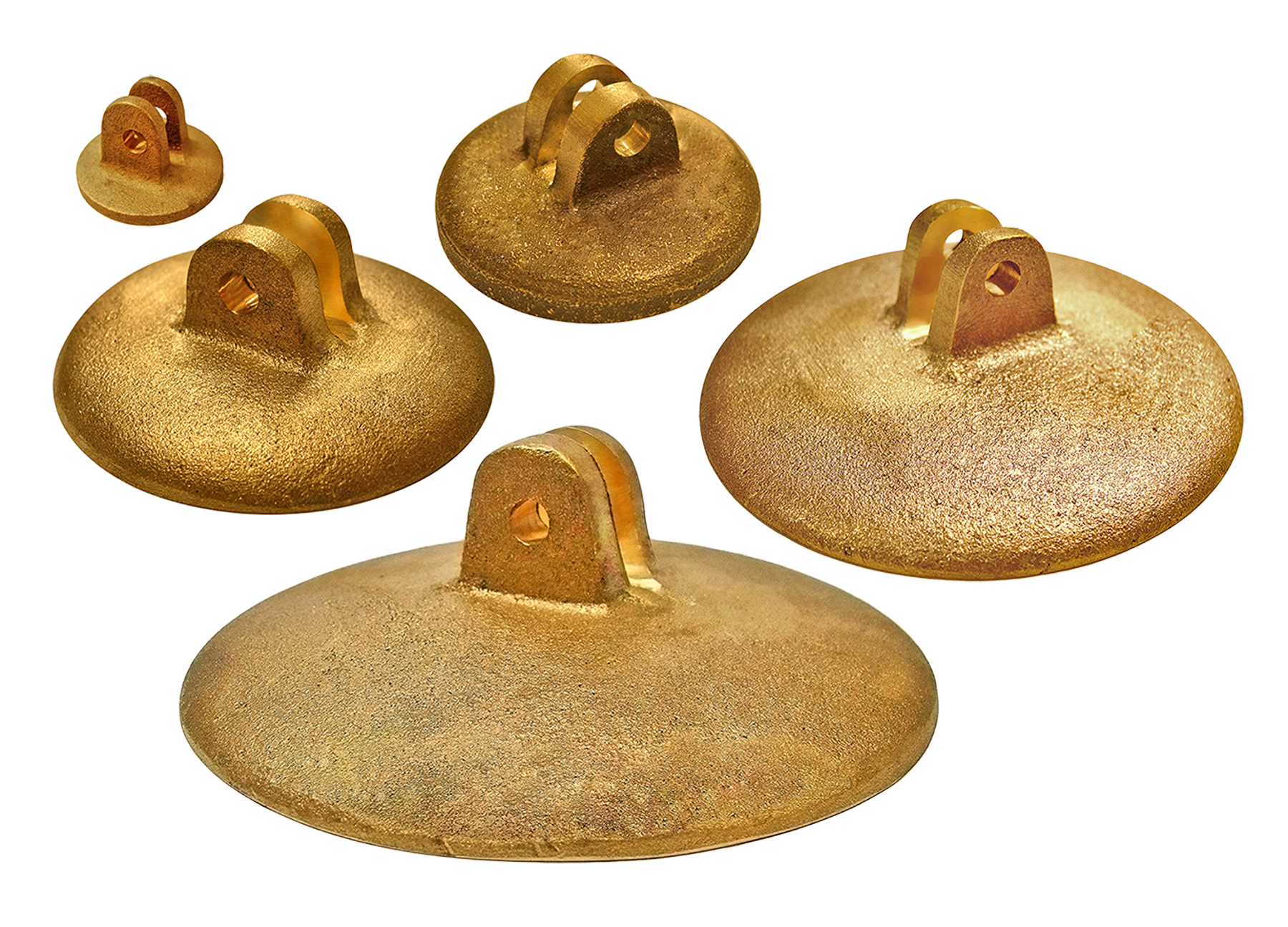
E0014 1 ¾” Brass E0015 2 ⁵⁄8” Brass E0016 3 ¹⁄4” Brass E0017 4 ¹⁄16” Brass E0018 5” Brass Ejector 
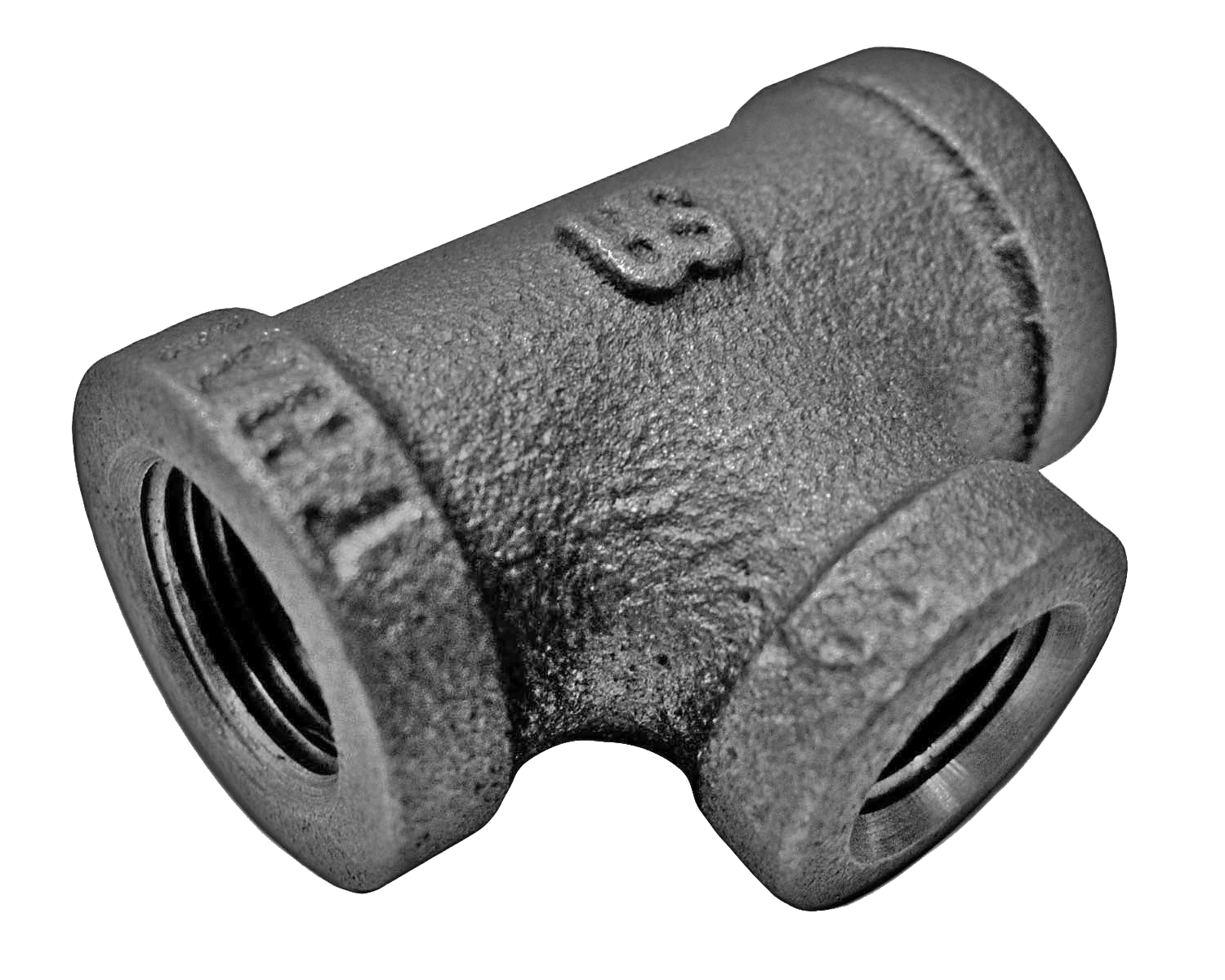
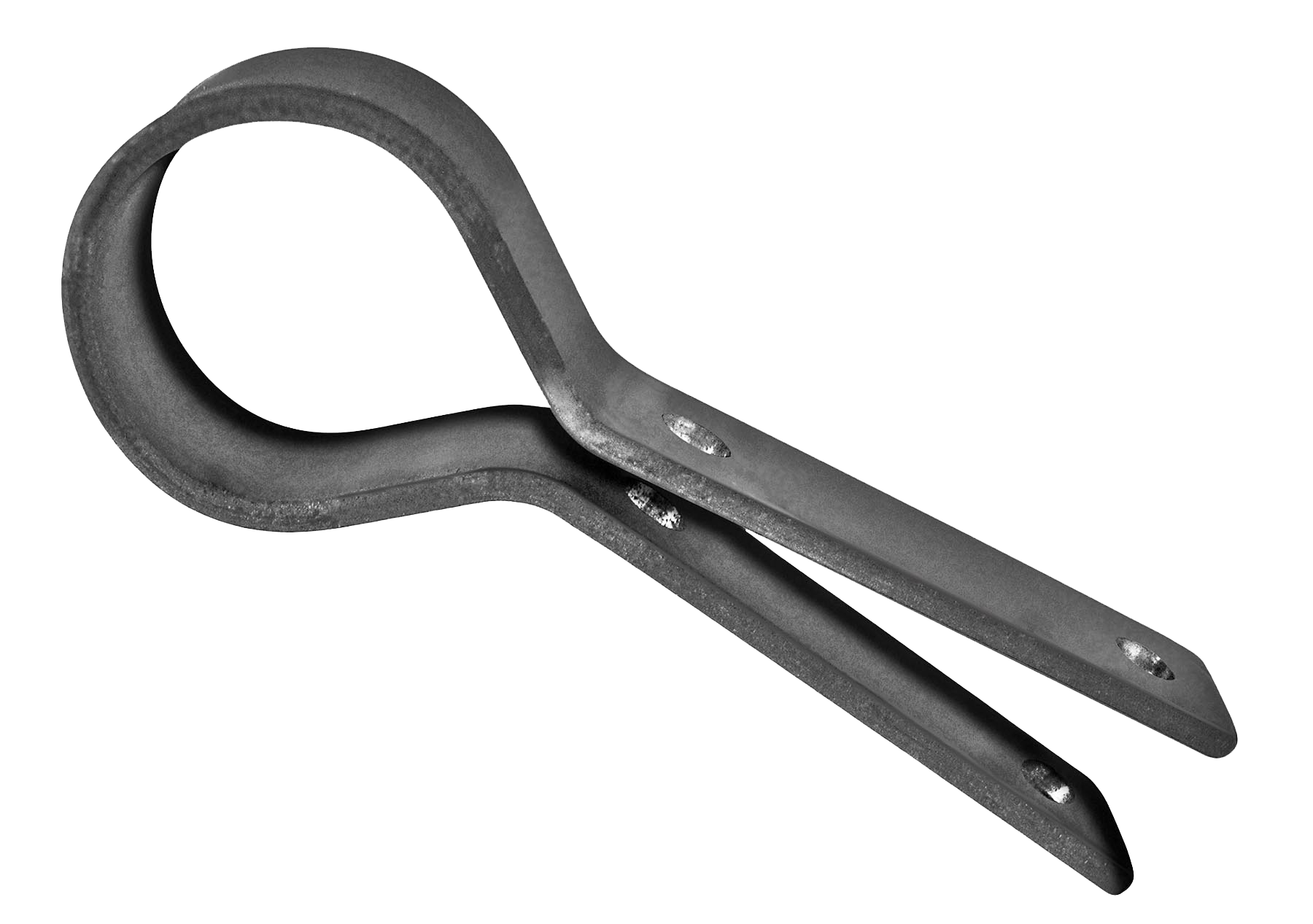
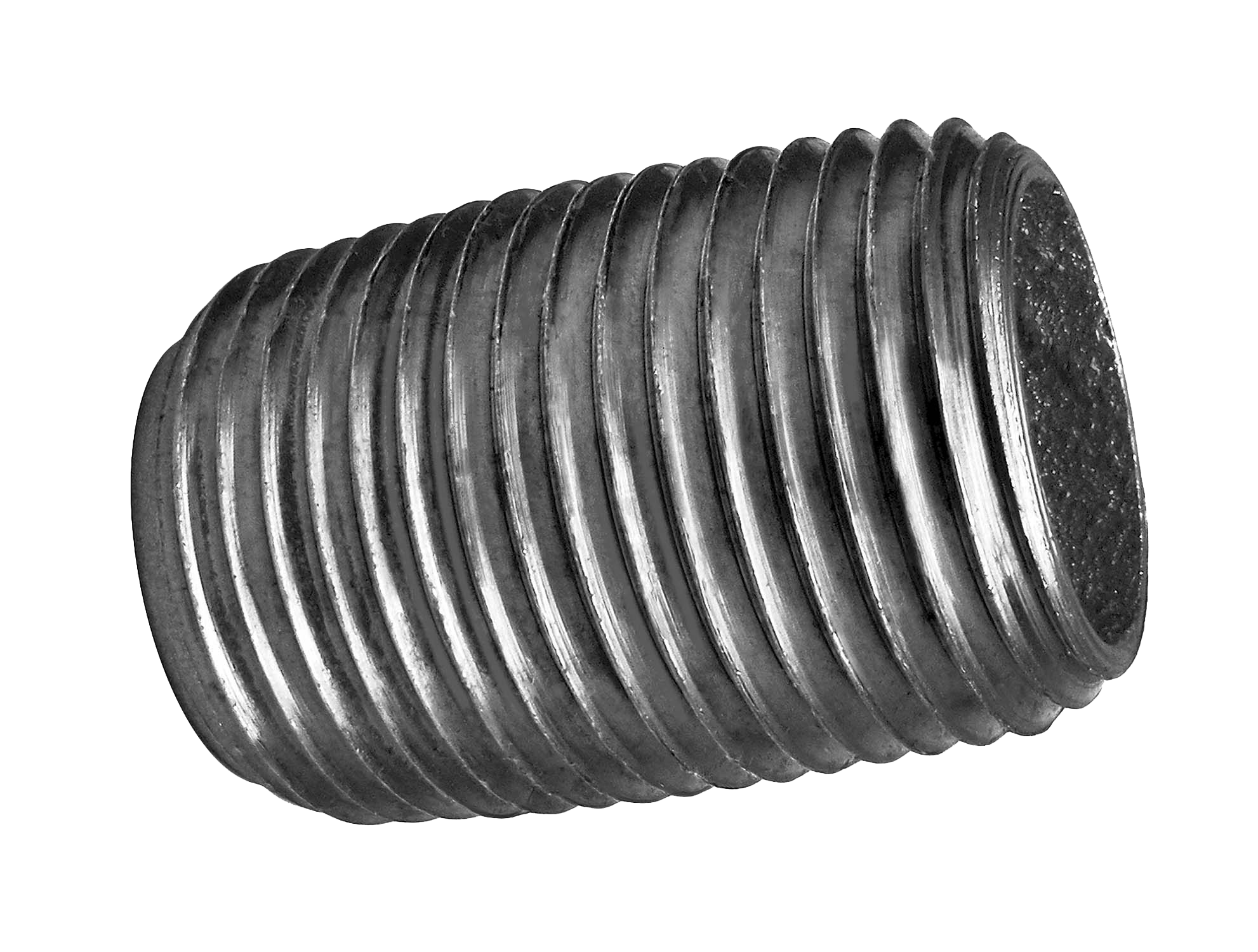
E0090 60/90 Ejector E0090 Includes: E1379 60/90 Venturi E0315 60/90 Gasket E1369M 60/90 Base E0091 150/225 Ejector E0091 Includes: E2715 150/225 Venturi E2315-A 150/225 Nozzle Tip E2315 150/300 Nozzle Base E0092 250/300 Ejector E0092 Includes: E2925 250/300 Venturi E2315-B 250/300 Venturi E2315 150/300 Nozzle Base E0093 350/500 Ejector E0093 Includes: E1384 350/500 Ventur E0141 350/500 Gasket E3940 350/500 Nozzle Base E0008 ⅜ x ⅜ x ¼” Priming Tee E0022 Clamp E0323 Handle E0333 Vacuum Gauge E0334 ⅜” FPT Brass Valve X0E17 ⅜” NPT x 1” Close Nipple (2 Req.)

HOW TO ORDER

Telephone orders can be placed during regular business hours.
Orders can be placed by email 24 hours a day.
Request a Quote
Please fill in the from Below
Contact us

BUSINESS HOURS :
M-Th 8:00 AM – 4:30 PM

SHIPPING/RECEIVING :
M-Th 8:00 AM – 3:00 PM

PHONE :
(713) 667-6691

BILLING ADDRESS :
P.O. Box 965, Stafford, TX 77497
SHIPPING ADDRESS :
10315 Brighton Lane, Houston, TX 77031
INDUSTRIES & APPLICATIONS

Agricultural irrigation

Fire Fighting

Chemical plants

Construction

Drilling, excavations

Processing plants

Pulp mills
